 Call Us:
HEARTBEAT TRAINING CENTER
Stop The Bleed Training
Learn essential bleeding control skills that can help save a life.
Prepare your team to recognize severe bleeding, take quick action and control bleeding until emergency responders arrive. This course is designed for employees, volunteers and community responders who need practical, hands-on skills for life-threatening bleeding emergencies.
- 30 Mins
- Certification
- Group Training Available
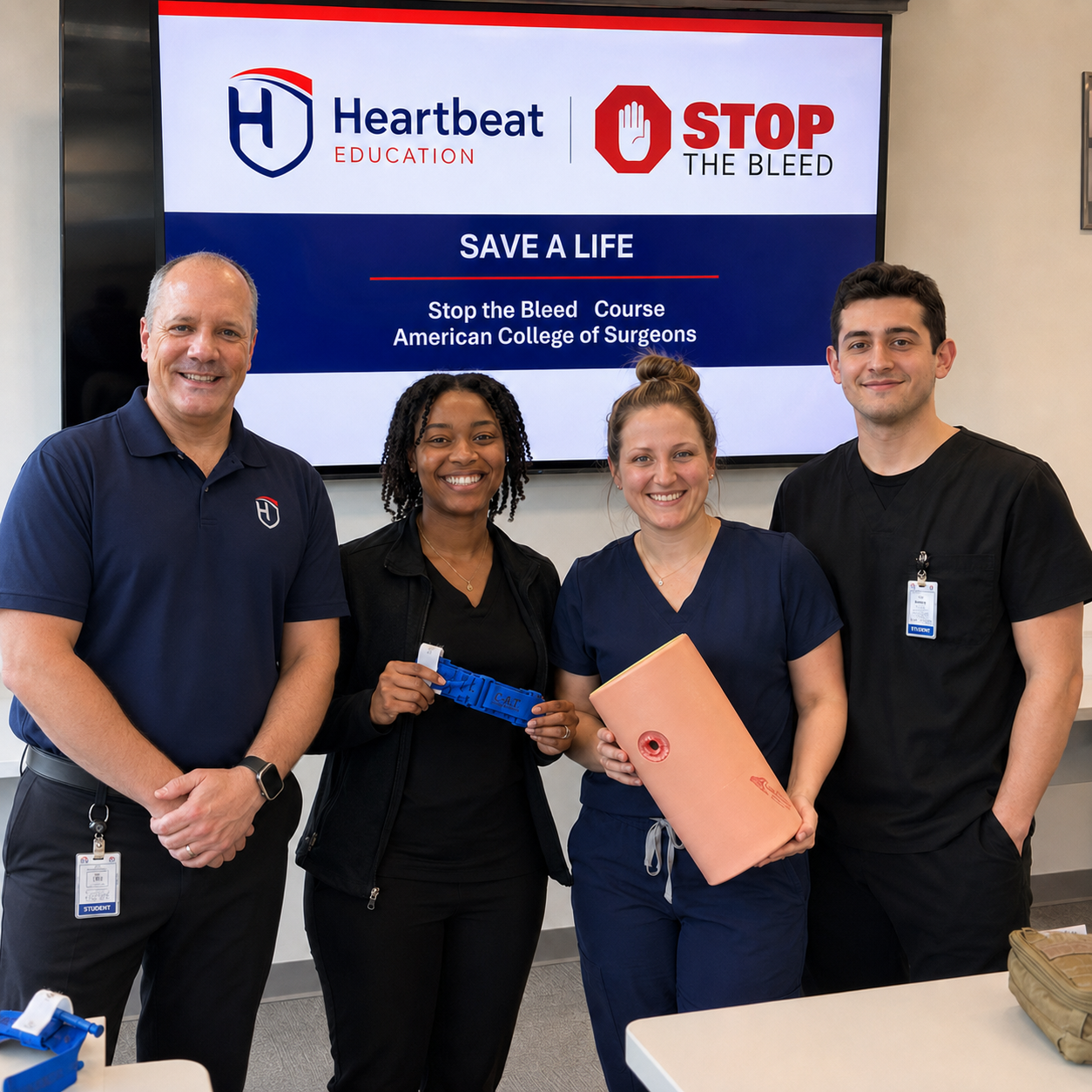
Training Course Details
Best For
Employees, volunteers, schools, churches, facilities teams, childcare providers, public-facing teams and community organizations
Course Focus
Severe bleeding recognition, direct pressure, wound packing, tourniquet use and emergency response
Duration
Typically about 1 to 2 hours, depending on group size and format
Certification
Completion documentation or participation record when applicable
Training Format
Instructor-led group training, onsite training and hands-on practice
Location
Onsite at your workplace, facility or scheduled training location
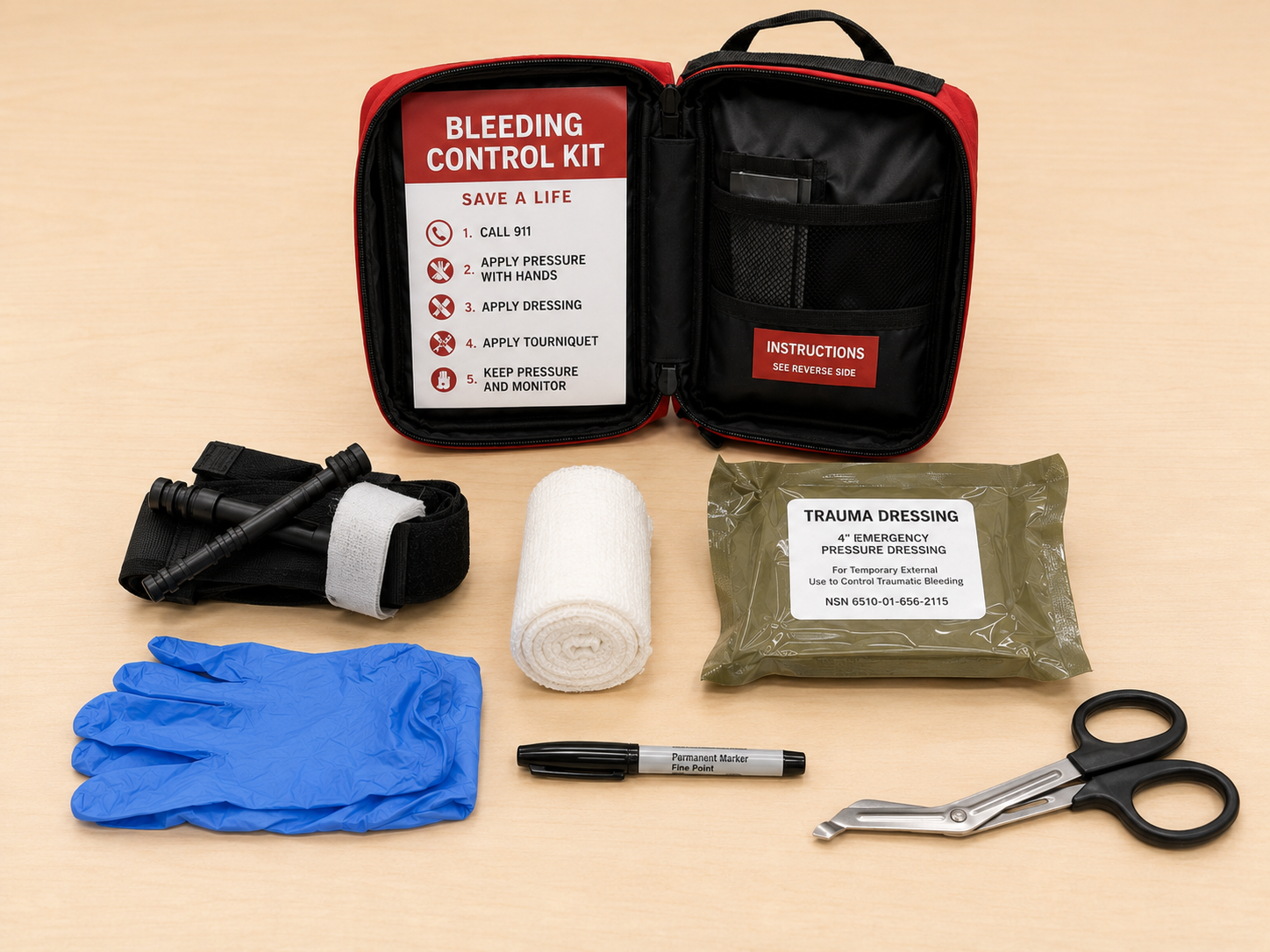
Learn how to quickly recognize and safely respond when someone is experiencing severe bleeding.
Emergency Bleeding Response Training for Critical Moments
Stop The Bleed Training helps participants understand how to respond when someone is experiencing severe, life-threatening bleeding. The goal is to help people act quickly, safely and confidently while waiting for emergency medical services to arrive.
This course combines three essential areas of bleeding control:
Identify severe bleeding, stay safe and activate emergency response.
Apply direct pressure and pack wounds when appropriate.
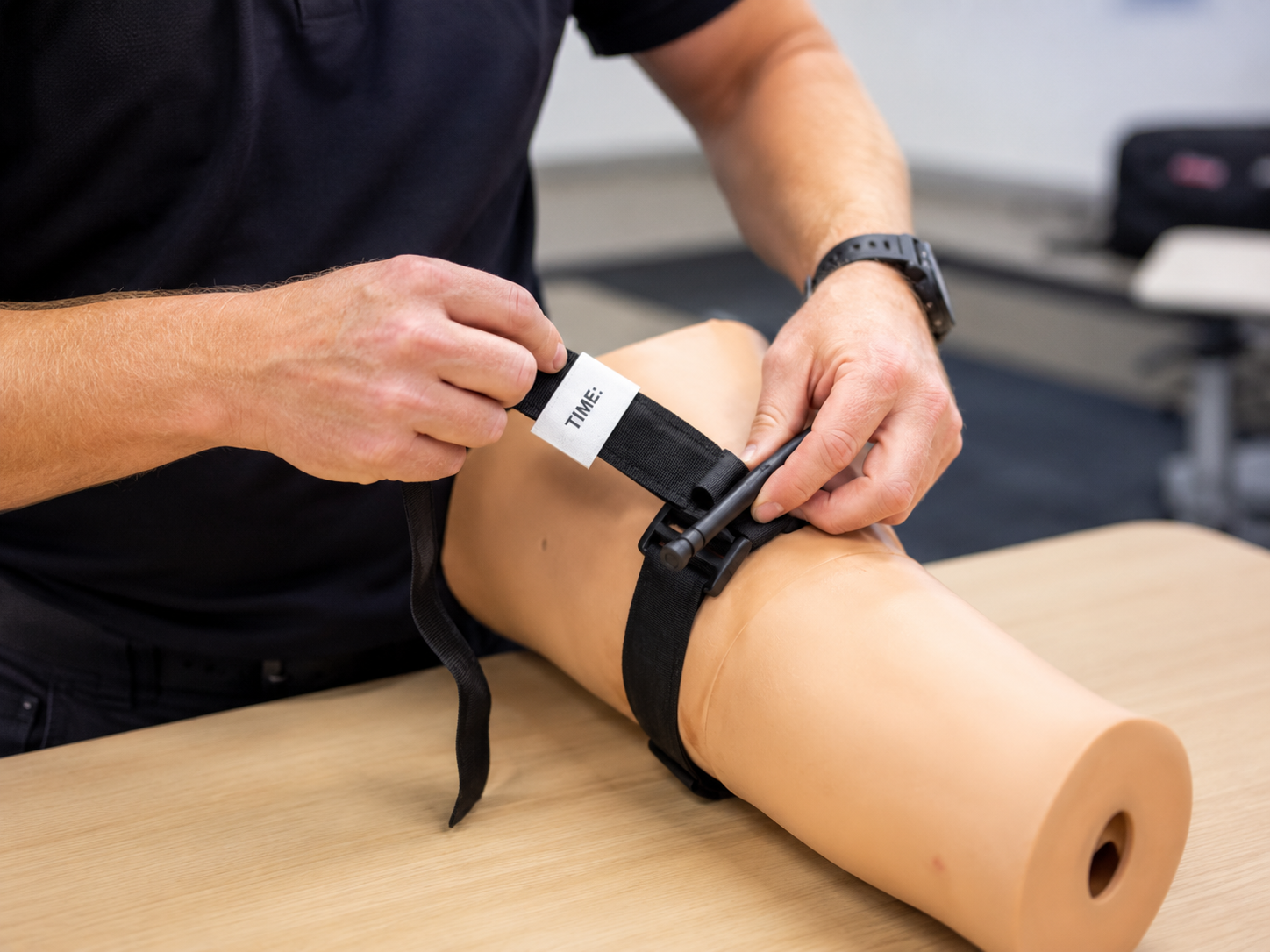
Use a tourniquet safely for life-threatening arm or leg bleeding.
Course Topics
Train with confidence. Respond with purpose.
Participants learn practical bleeding control skills that can help them respond before professional help arrives. Core topics may include:
- Recognizing life-threatening bleeding
- Personal safety during an emergency
- Calling 911 and activating emergency response
- Applying direct pressure
- Wound packing basics
- Tourniquet use
- When a tourniquet may be needed
- How to communicate with responders
- What to do while waiting for EMS
- Bleeding control kit awareness
- Site-specific emergency response
- Hands-on skills practice
- Recognizing life-threatening bleeding
- Personal safety during an emergency
- Calling 911 and activating emergency response
- Applying direct pressure
- Wound packing basics
- Tourniquet use
- When a tourniquet may be needed
- How to communicate with responders
- What to do while waiting for EMS
- Bleeding control kit awareness
- Site-specific emergency response
- Hands-on skills practice
Who this course is for
Designed for Teams, Facilities and Community Responders
Severe bleeding can become life-threatening within minutes. This course is designed for people and teams who want to recognize a bleeding emergency, take fast action and help save a life before professional care arrives.
This course is ideal for:
- Workplace teams
- Manufacturing and industrial employees
- Safety coordinators
- Security teams
- School staff and childcare teams
- Coaches and athletic staff
- Church and ministry teams
- Community organization staff and volunteers
- Healthcare office staff
- Hospitality and property teams
- Public-facing employees
- Event staff
- People assigned to emergency response roles
💡 This course can also be paired with First Aid, CPR, AED, Fire Extinguisher, Bloodborne Pathogens or MIOSHA-related training for a broader safety training plan. →









Trusted by Organizations Across Michigan
Organizations choose Heartbeat because safety training needs to be clear, reliable and easy to coordinate. Heartbeat has an outstanding track record serving businesses, churches, fire departments and private-sector organizations for their emergency medical training needs.
Our team provides hands-on instruction, practical guidance and dependable support that helps organizations keep employees, clients, students, congregations and communities safer.
Hands-On,
Instructor-Led Learning
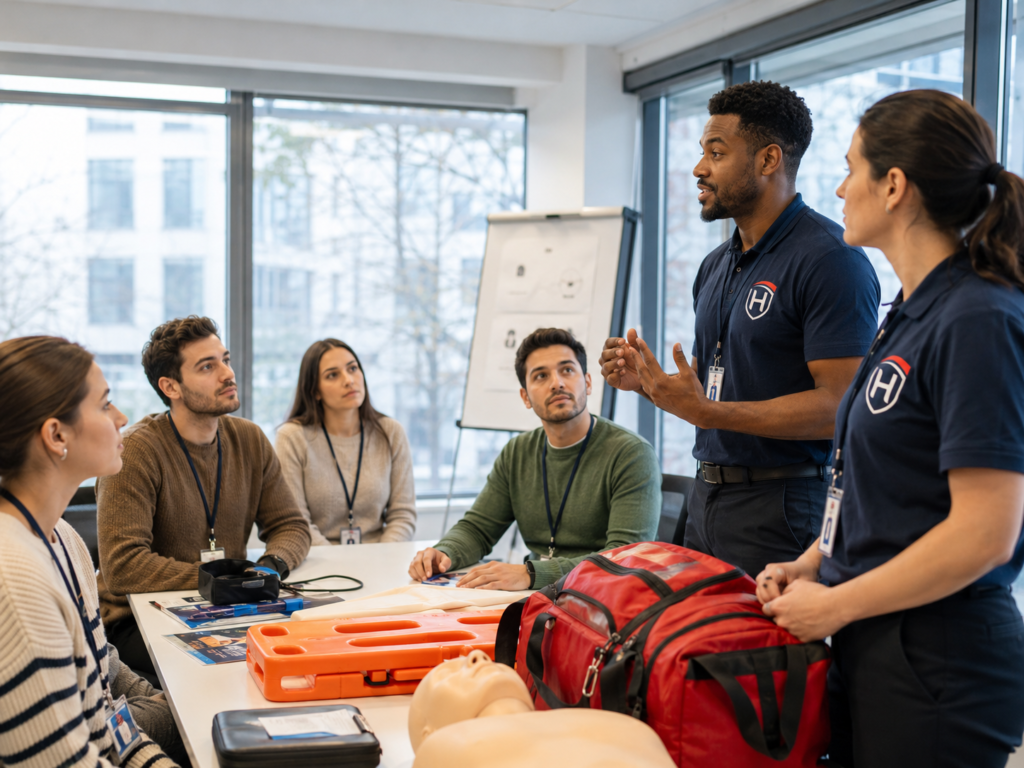
Bleeding control training should be simple, direct and easy to remember under pressure. Heartbeat focuses on helping participants recognize when bleeding is serious and practice the steps that can help control it.
- Instructor-led teaching
- Bleeding emergency discussion
- Direct pressure demonstration
- Wound packing practice
- Tourniquet demonstration
- Tourniquet practice
- Bleeding control kit review
- Emergency communication steps
- Site-specific response discussion when applicable
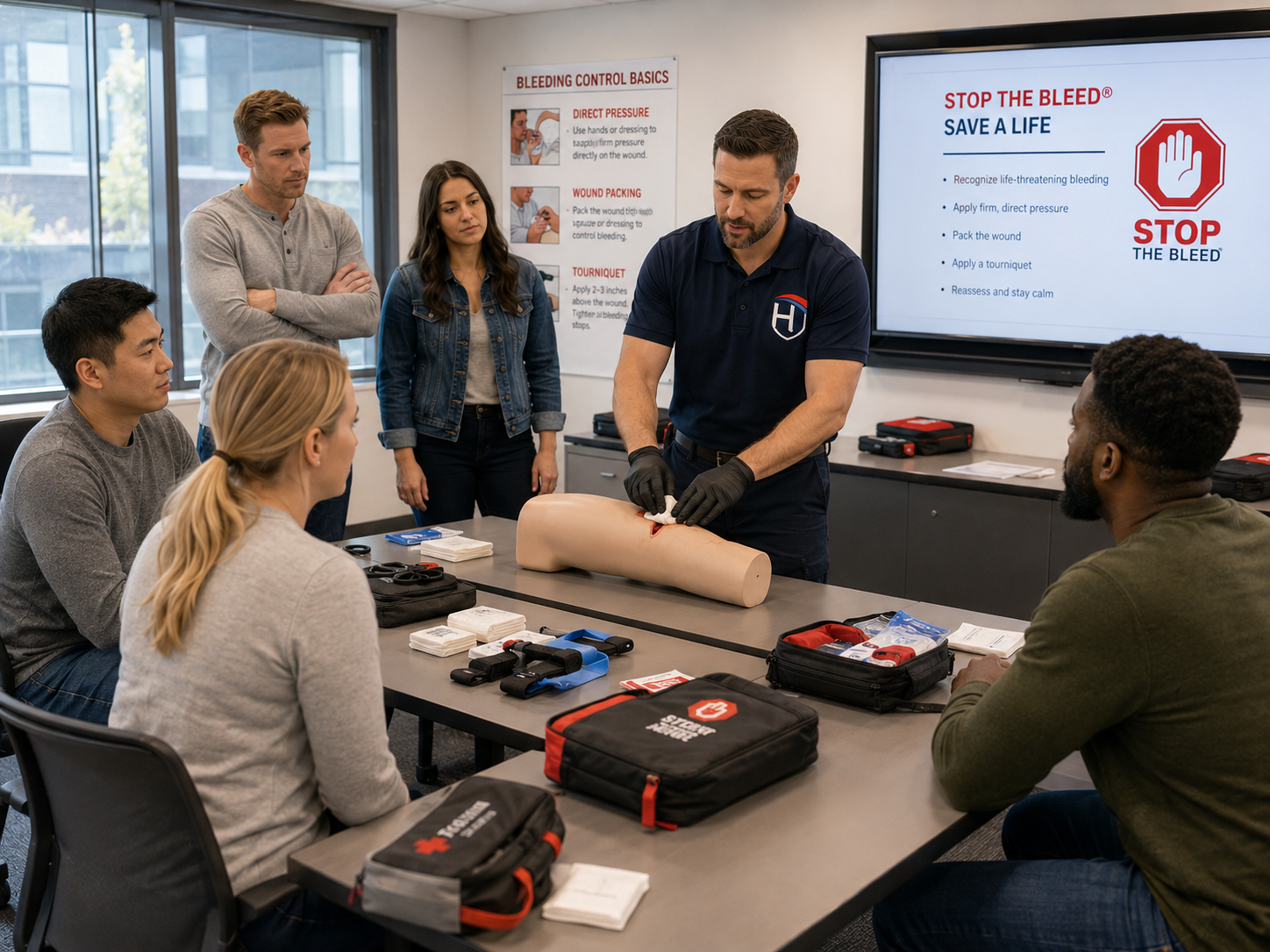
The goal is to help participants feel more prepared to take immediate action during a severe bleeding emergency.
Employer and Group Training Support for Bleeding Control & Response
Heartbeat helps organizations coordinate Stop The Bleed Training for departments, teams and full groups. Organizations often schedule this course for:
Emergency readiness training
New employee or volunteer safety training
Annual safety refreshers
School or childcare safety requirements
Church and community organization training
Public-facing team preparedness
Bleeding control kit readiness
Train Your Team Together
Group training also helps employers keep records organized and reduce the scheduling burden for individual employees.
Certification Details
This training can support emergency readiness, workplace safety planning, school safety preparation and community response training when the selected format matches the organization’s needs.
AHA Course Completion Card
Upon successful completion, eligible participants who complete Stop The Bleed Training may receive completion documentation or a participation record, depending on the training format and organization needs.
Important note:
If your organization is trying to meet a specific workplace, school, licensing or internal safety requirement, contact Heartbeat before scheduling so we can help confirm the right training format, hands-on needs and documentation requirements.
OUR SCHEDULING PROCESS
How Training Works
STEP 1
Choose your course
Select the Stop The Bleed Training course if your team needs practical bleeding control training for severe bleeding emergencies.
Submit your preferred date and time online or call to coordinate directly.
STEP 2
Request a date and time
STEP 3
Share class details
Provide your location, headcount, onsite contact and any room setup needs.
Our team will confirm the course format, timing, requirements and next steps.
STEP 4
Confirm the training plan
STEP 5
Complete training
Participants attend the course, complete the required skills and receive documentation when applicable.
Ready To Start?
Tell us about your team size, preferred date, training location and the age groups your team works with. We will help confirm the right course and next steps.
Related Courses & Safety Training Options
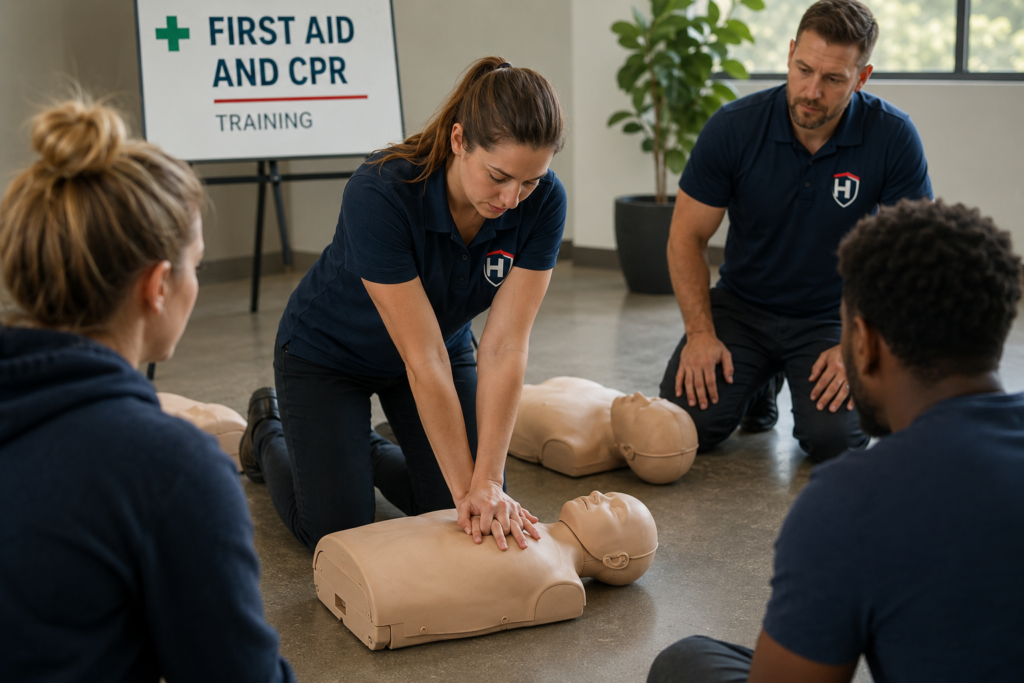
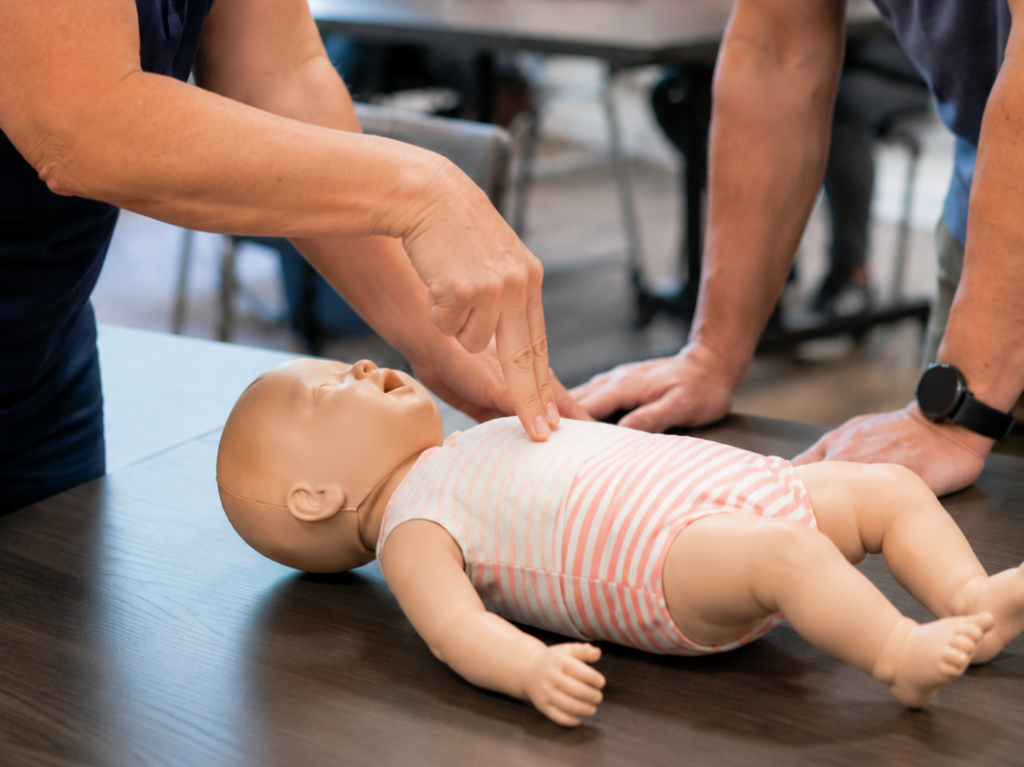
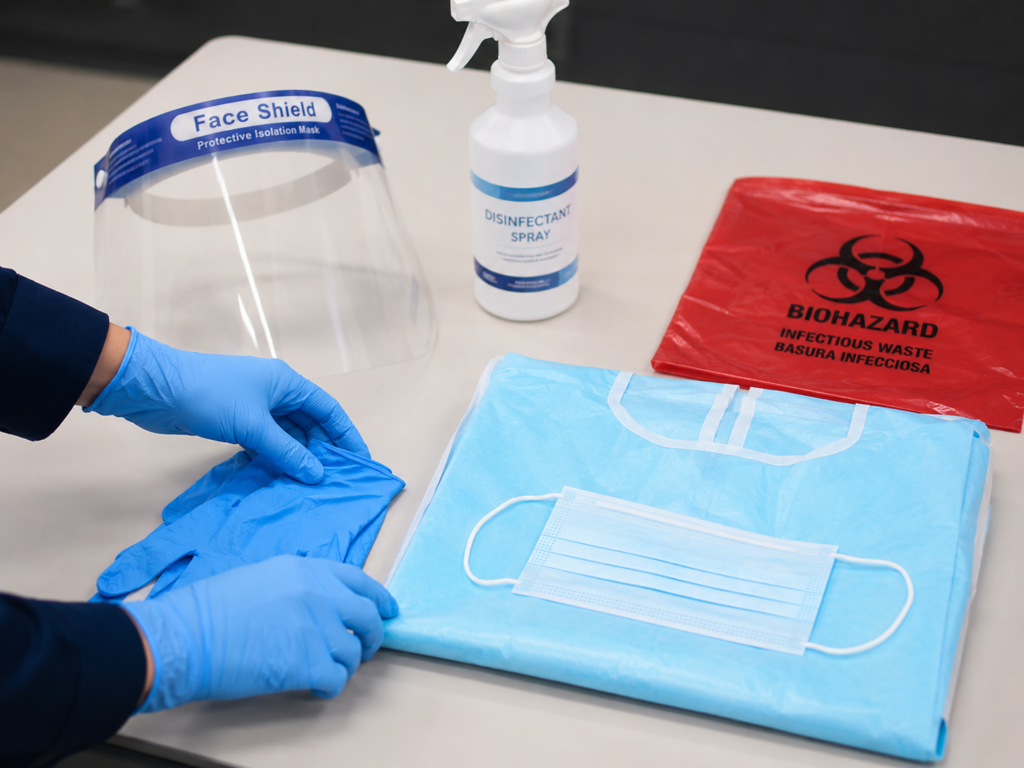
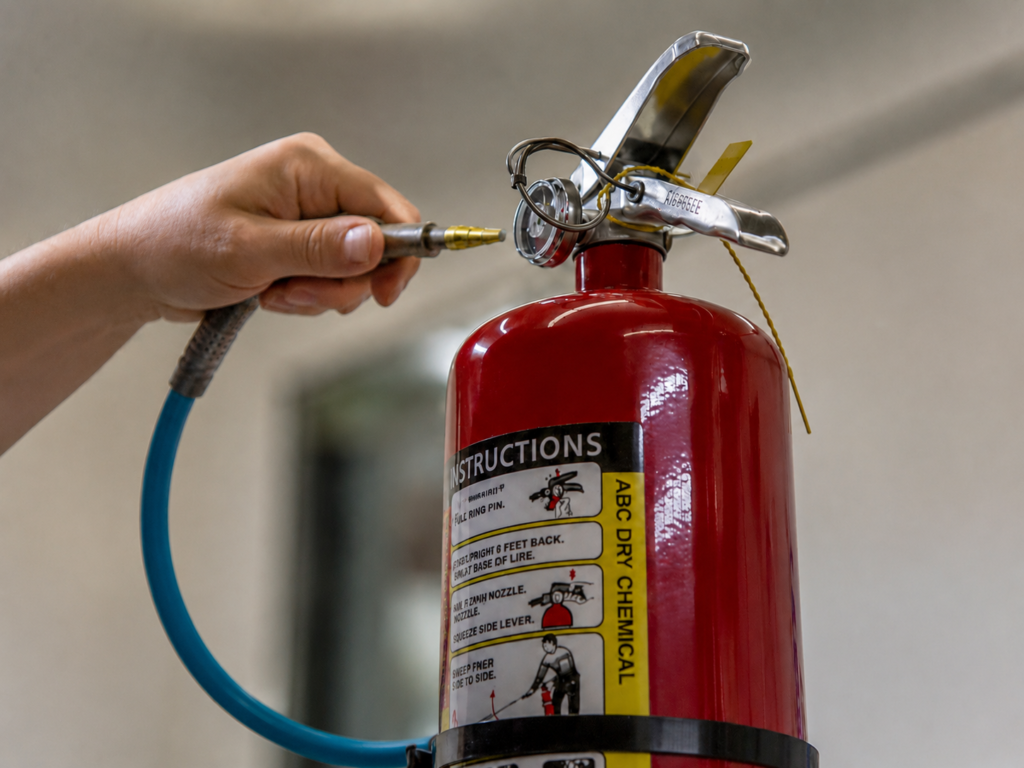
Organizations often pair Stop The Bleed Training with other safety and emergency response courses. Recommended related training includes:

Frequently Asked Questions
Who should take Stop The Bleed Training?
This course is recommended for employees, volunteers, school staff, church teams, coaches, facilities teams, public-facing employees and community responders who may need to help during a severe bleeding emergency.
How long is the course?
Stop The Bleed Training is typically about 1 to 2 hours. Timing may vary based on group size, discussion, hands-on practice and site-specific procedures.
Does this course include hands-on practice?
Yes, hands-on practice is typically part of the course format. Participants may practice direct pressure, wound packing and tourniquet use.
Is this course only for medical professionals?
No. Stop The Bleed Training is designed for non-medical responders as well as workplace, school, church, community and public-facing teams.
Can Heartbeat train our team onsite?
Yes. Onsite group training is available for workplaces, schools, churches, clinics, childcare teams, industrial teams, facilities teams and community organizations.
Can this course be combined with other safety training?
Yes. Many organizations combine Stop The Bleed Training with First Aid, CPR, AED, Fire Extinguisher, Bloodborne Pathogens or MIOSHA-related training.
Do participants receive documentation?
Participants may receive completion documentation or a participation record depending on the training format and organization needs.
Should our organization have bleeding control kits?
Bleeding control kits can support emergency readiness when staff or volunteers are trained to use them. Heartbeat can discuss kit awareness and training needs during scheduling.
Still have questions?
Heartbeat is here to answer your questions. Tell us about your team size, location, participant roles and scheduling goals, and we’ll help you choose the right course and next steps.
Ready to schedule this course?
Help your team respond quickly during severe bleeding emergencies. Heartbeat can help your organization schedule Stop The Bleed Training for employees, volunteers, departments or full teams.